Make Phonics Fun and Effective with Visual Learning Tools
Phonics can be challenging for young learners. Decoding tricky sounds like “ch” or “buh” often leaves children frustrated, and teachers searching for creative solutions. That’s why the 68 Phoneme Sound Cards with Illustrated Mouth Pictures from Learn Everyday Hub are a game-changer. These cards make learning phonics hands-on, visual, and exciting—helping students connect sounds to mouth movements in a way that sticks.
What Are 68 Phoneme Sound Cards?
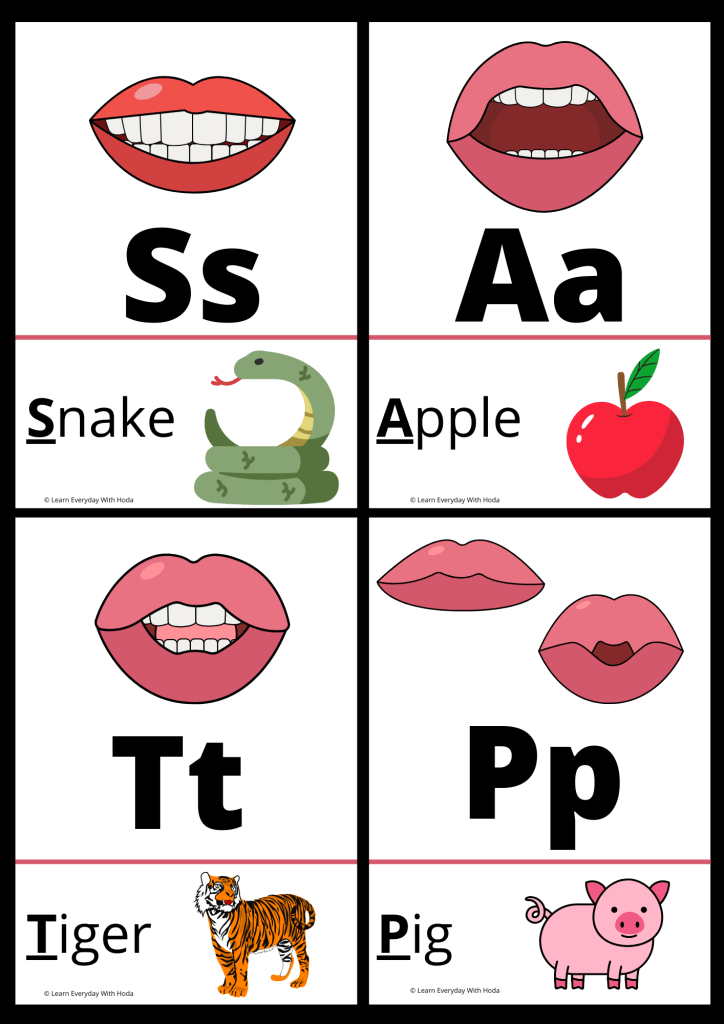
These cards are more than just colorful flashcards. Each one pairs a phoneme (the smallest unit of sound in a word) with an illustrated mouth picture, showing kids exactly how to form the sound. For example:
- The “sss” Sound: A smiling mouth shows teeth close together.
- The “buh” Sound: Lips pressed together illustrate the correct positioning.
By seeing the sound and practicing the mouth movement, children learn not only how to pronounce the phoneme but also how to recognize it in words.
Focus Keyword: phoneme sound cards, visual phonics, phonics instruction
Why Visual Phonics Works: Benefits of Mouth Pictures
Using visual aids in phonics instruction isn’t just helpful—it’s transformative. Here’s why:
1. It’s Multi-Sensory Learning
Kids don’t just hear the sound; they see how it’s made and physically replicate it. This combination strengthens memory and makes learning faster.
2. It Improves Pronunciation
Illustrated mouth pictures show exactly how to position lips, teeth, and tongue for accurate sound production, making phonics accessible for all learners, including those with speech delays.
3. It Builds Confidence
For kids who struggle with reading, mastering phonemes is empowering. These cards give them the tools to decode words independently, boosting self-esteem.
4. It Prepares for Reading Fluency
Recognizing phonemes is the first step toward fluent reading. These cards lay a solid foundation for decoding, spelling, and beyond.
Classroom and Home Applications for Every Reading Level
One of the best things about these phoneme sound cards is their versatility. Whether you’re teaching preschoolers or helping older students catch up, these cards adapt to meet their needs.
For Early Readers (Preschool – Grade 1)
Introduce phonemes with interactive games like sound matching or “guess the mouth shape.” Kids love practicing in front of mirrors to mimic the illustrations.
For Struggling Readers (Grades 2-4)
Use the cards to reinforce phonics skills alongside word-building activities. Pairing sounds with visuals helps bridge learning gaps.
For Speech Therapy
These cards are a must-have for speech therapists. The clear visuals help children practice articulation and overcome speech challenges effectively.
For ESL/ELL Students
Learning English phonics can be daunting, but these cards simplify the process by providing a visual roadmap to unfamiliar sounds.
Focus Keywords: phonics for early readers, phonics for struggling readers, phoneme teaching tools
How to Use Phoneme Sound Cards Effectively
To get the most out of these cards, try these tips:
- Phonics Stations: Set up a learning station with mirrors where students can practice forming phonemes.
- Small Group Practice: Use the cards in small groups to give focused attention to students who need extra help.
- Daily Drills: Incorporate the cards into morning routines or literacy warm-ups for consistent practice.
- Interactive Games: Turn learning into play with activities like “phoneme charades,” where students act out the sound on the card.
Why Teachers and Parents Love These Cards
Educators rave about the ease and effectiveness of the 68 Phoneme Sound Cards, and parents love how engaged their children become. With these tools, phonics instruction transforms from a daunting task into an exciting journey of discovery.
Conclusion: A Must-Have Resource for Phonics Success
Whether you’re a teacher looking to enhance your classroom or a parent seeking the best resources for your child, the 68 Phoneme Sound Cards with Illustrated Mouth Pictures are a smart choice. They combine science-backed strategies with kid-friendly visuals, making phonics instruction effective and fun.
FAQs About 68 Phoneme Sound Cards
1. What age group are these cards designed for?
The cards are suitable for ages 4-9, but they can also be helpful for older struggling readers and ESL students.
2. Can these be used in a digital classroom?
Yes! You can scan and display the cards on a shared screen for virtual phonics lessons.
3. How many phonemes do the cards cover?
The set includes 68 phonemes, covering a comprehensive range of vowel and consonant sounds.
4. Are these cards helpful for speech therapy?
Absolutely. Speech therapists use them to guide students in mastering articulation and proper mouth positioning.
5. Where can I buy these cards?
You can purchase the 68 Phoneme Sound Cards with Illustrated Mouth Pictures on Learn Everyday Hub’s Teachers Pay Teachers store.
 Learn Everyday Hub