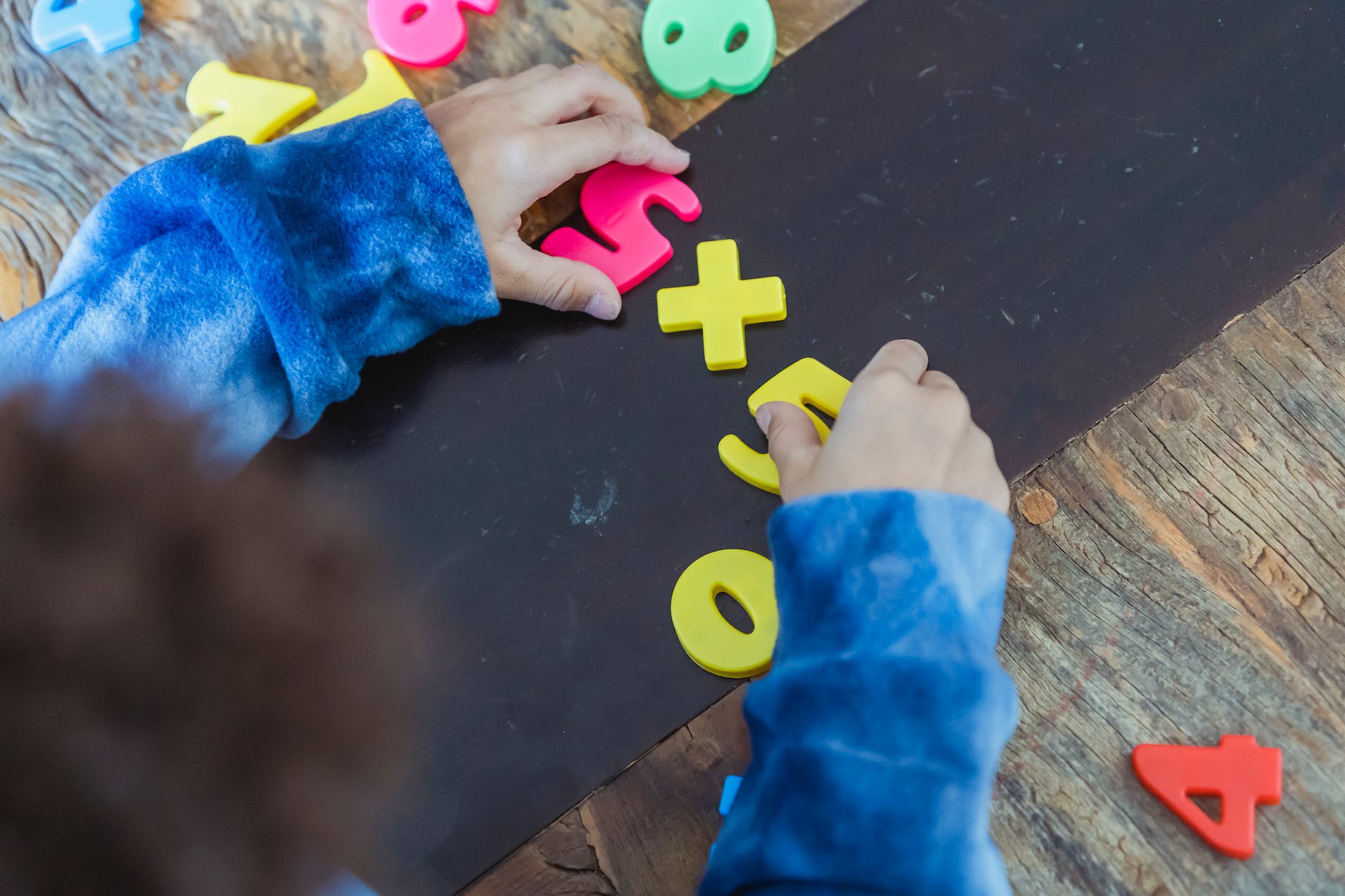
Learning about basic mixed facts multiplication can be a great way to introduce young learners to multiplication concepts. Basic mixed facts multiplication involves using the basic multiplication facts (e.g. 3 x 4 = 12) to solve problems that affect two or more numbers.
It is important to practice basic mixed facts multiplication to help students become more comfortable with the multiplication process and to help them understand how to use multiplication facts to solve more complicated problems. Having students practice basic mixed facts multiplication can also help them to develop better problem-solving skills and to gain a deeper understanding of the multiplication process.
By practising basic mixed facts multiplication, students can learn how to use multiplication facts in a variety of contexts, how to break down problems into smaller pieces, and apply their knowledge of multiplication facts to solve more complicated maths problems. As students become more comfortable with basic mixed facts multiplication, they can move on to more challenging mathematical concepts.
Here are a few steps to teach your student mixed multiplication facts:
- Begin with a review of basic multiplication facts. Have students practice multiplication facts that involve single digits, such as 2×3 or 7×8.
- Introduce and explain the concept of mixed multiplication facts, and clarify that these are multiplication problems with both a single-digit and a multiple-digit factor.
- Give students practice problems to work on individually or in small groups. Examples of mixed multiplication facts include 12×4, 35×6, and 49×2.
- Ask students to share their answers and discuss any mistakes they may have made.
- Provide additional practice problems for students to work on. These can be written on the board, printed, or projected onto a screen.
- Ask students to explain their thinking process when solving the mixed multiplication facts. This can help them to understand the concept better and improve their problem-solving skills.
- Offer rewards or encouragement when students are successful. This can help to motivate and inspire them.
Are you looking for a fun and engaging way to help your students learn multiplication facts? Look no further! Introducing the Mixed Facts Multiplication Game on Boom Cards, designed to make learning multiplication fun and easy. With easy-to-understand rules and colourful visuals, this game will keep your students engaged and on their toes. It is perfect for small or large groups of students and includes challenging levels for different ages and abilities. With its interactive elements, your students will be motivated to practice their multiplication facts and quickly progress through the levels. So get your classroom ready for a mixed multiplication facts game today!

 Learn Everyday Hub